If you live in Pensacola, FL or surrounding areas, your roof deals with a lot. Between intense sun, heavy rain, humidity, wind, and storm season, even a good roof can start showing wear sooner than homeowners expect. The trouble is, roof problems rarely show up with perfect timing. They usually appear right after a storm, right before guests arrive, or right when you were hoping to spend money on literally anything else.
One of the most common questions we hear at Coastal Family Roofing is: “How do I know if my roof just needs a repair, or if it may be time for something more serious?” The good news is that your roof usually gives you warning signs. The bad news is that it does not always give you much notice.
Here are seven signs your Florida roof may be trying to call it a career.
1. Missing, Cracked, or Curling Shingles
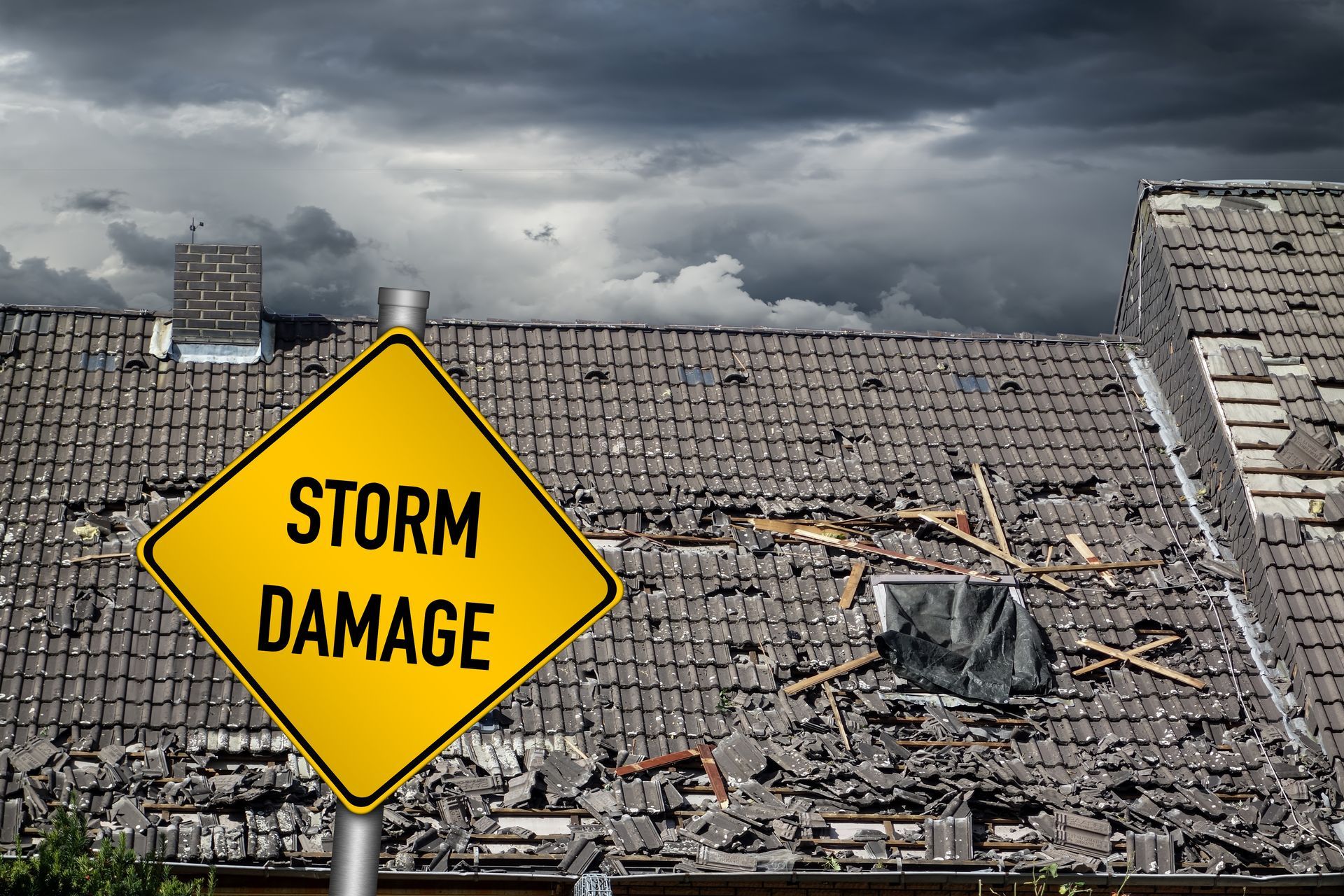
Shingles are your roof’s first line of defense. When they start cracking, curling, lifting, or disappearing altogether, that is usually a sign your roof is no longer fully protecting your home the way it should.
In Florida, shingles take a beating from heat, wind, and sudden storms. Over time, that exposure can cause them to weaken and lose their seal.
Look for signs like:
- Shingles that are bent or curling at the edges
- Cracked or torn shingles
- Bare spots where shingles have blown off
- Areas that look uneven from the ground
A few damaged shingles may mean you need a repair. Widespread shingle damage is often a sign your roof is aging out.
2. Granules Showing Up in Your Gutters
If you notice a sand-like material in your gutters or around your downspouts, those are likely shingle granules. Those granules help protect your roof from UV rays and weather exposure, so when they start coming off in larger amounts, your shingles are wearing down.
A little granule loss over time is normal. A lot of it is your roof’s way of saying, “I have done my best.”
This is especially important on older asphalt shingle roofs. Once enough granules are gone, shingles can age much faster and become more vulnerable to leaks and storm damage.
3. Water Stains on Ceilings or Walls
A roof leak does not always announce itself with a dramatic drip into a bucket. Sometimes it starts small with a faint ceiling stain, bubbling paint, or discoloration on an interior wall.
That kind of staining can mean water is getting in through:
- Damaged shingles
- Worn flashing
- Pipe boots or roof penetrations
- Valleys where water collects
- Areas around chimneys or vents
Even a minor stain is worth investigating. Water has a talent for traveling before it becomes visible, which means the spot you see inside is not always directly below the actual roof problem.
4. Sagging Areas or Soft Spots
Your roofline should look straight and solid. If you notice sagging sections, dips, or areas that seem uneven, that can point to trapped moisture, rotted decking, or structural deterioration underneath the roofing material.
This is not one of those “maybe we will keep an eye on it” situations.
A sagging roof can mean the problem has gone beyond the surface and into the underlying system. The sooner it is inspected, the better chance you have of limiting the damage and cost.
5. Flashing Damage Around Roof Penetrations
Some of the most leak-prone parts of a roof are not the large open sections. They are the areas around vents, chimneys, skylights, and wall transitions. These spots rely on flashing to keep water out.
If flashing is loose, rusted, cracked, or improperly sealed, water can work its way in surprisingly fast.
Common trouble spots include:
- Plumbing vent pipes
- Chimneys
- Skylights
- Roof-to-wall connections
- Valleys and transitions
This is one reason roof leaks can show up even when most of the shingles still look decent from the ground.
6. Moss, Algae, or Dark Streaks
In Florida’s humid climate, algae and moisture-related staining are common. Dark streaks on a roof may start as a cosmetic issue, but they can also point to moisture retention and poor roof aging conditions.
Moss is even more concerning because it can trap moisture against the roof surface. That moisture can gradually wear down roofing materials and shorten the life of the system.
If your roof has dark streaking, green growth, or areas that stay damp longer than they should, it is worth having it checked. Sometimes it is mostly maintenance. Sometimes it is a sign the roof is getting tired.
7. Your Roof Is Getting Older and Showing It
Even if your roof is not actively leaking, age still matters. Roofing materials do not last forever, especially in a climate like ours.
As roofs get older, you may start to notice:
- More frequent repairs
- Visible wear in multiple areas
- Storm damage happening more easily
- Shingles losing color, texture, or flexibility
- More concern every time the forecast gets interesting
An aging roof is not always a failing roof, but once repairs become more frequent or signs of wear start stacking up, it is usually time for a professional inspection.
Repair or Replacement?
Not every roof problem means you need a full replacement. In some cases, a targeted repair is the right move. But if your roof is showing several of these warning signs at once, it may be more cost-effective to replace it rather than continue patching problem after problem.
A professional inspection can help determine:
- Whether the issue is isolated or widespread
- If the decking and underlayment are still in good shape
- How much life your current roof may have left
- Whether repair or replacement makes more sense for your budget
The goal is not to sell you more roof than you need. The goal is to give you a clear answer before a small issue turns into a big one.
Final Thoughts
Your roof does a lot of work without asking for much credit. But when it starts showing signs of wear, it is smart to pay attention. Missing shingles, water stains, granule loss, sagging areas, and flashing issues are all signs that your roof may need professional attention.
At Coastal Family Roofing, we help homeowners in Pensacola, FL and surrounding areas figure out exactly what is going on with their roof and what the next step should be. Whether you need a simple repair or it is time for a full replacement, our team provides honest recommendations and quality workmanship you can trust.
Ready to find out if your roof is still going strong or quietly planning its retirement? Contact Coastal Family Roofing today at
850-723-6868 to schedule your inspection in Pensacola, FL or surrounding areas.